

Cloud-Enabled Smart Grids: The Future of Energy Management
In 2026, the energy landscape is undergoing a fundamental transformation — one driven by digital innovation, climate urgency, and a global demand for more resilient power systems. At the heart of this transformation is the rise of cloud-enabled smart grids — advanced energy networks that leverage cloud computing, real-time data analytics, artificial intelligence (AI), and edge connectivity to optimize energy generation, distribution, and consumption.
Cloud-enabled smart grids are not simply an evolution of traditional electrical grids. They are a revolution in how we think about energy management at every level — from utilities and enterprises to households and electric vehicles (EVs). As we look toward the future, cloud-enabled smart grids are positioning themselves as the backbone of a cleaner, more efficient, and more adaptive energy ecosystem.
This blog explores why cloud-enabled smart grids are pivotal to our energy future, how they work, real-world use cases, and key trends shaping their adoption by 2030.
What Are Cloud-Enabled Smart Grids?
At its core, a cloud-enabled smart grid is an intelligent electricity network that uses cloud computing infrastructure to connect devices, sensors, energy sources, and end users. These grids collect and process massive volumes of data in real time, enabling automated decision-making and remote management.
Unlike traditional grids — which rely on manual controls and static forecasts — cloud-enabled smart grids can:
- Monitor energy flows instantly
- Detect faults and outages immediately
- Optimize demand response dynamically
- Integrate diverse renewable energy sources
- Provide predictive insights using AI and machine learning
Why Cloud-Enabled Smart Grids Matter in 2026
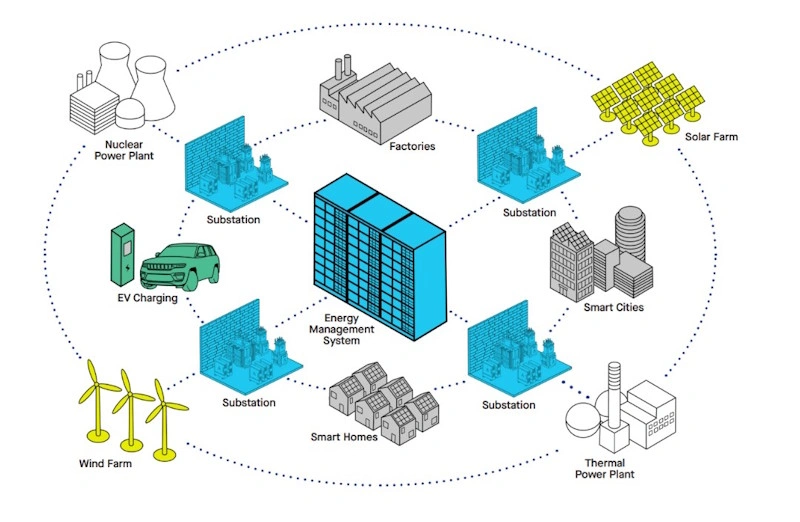
Smart grid infrastructure connecting generation, distribution, and consumption
How Cloud-Enabled Smart Grids Work
To understand the impact of cloud-enabled smart grids, let's break down how they function:
Sensors and IoT Devices
Smart meters, sensors, and Internet of Things (IoT) devices are installed across the grid — on generation units, transformers, substations, and homes. These devices continuously collect data on voltage, frequency, consumption, and other parameters.
Cloud Data Ingestion
Device data is sent securely to cloud platforms — such as AWS, Google Cloud, Microsoft Azure, or energy-specific platforms — where it's ingested, cleaned, and stored for analysis.
Real-Time Analytics
AI and machine learning analyze incoming data streams. For example:
- Predictive algorithms forecast peak demand periods.
- Anomaly detection flags unusual voltage changes or equipment failure risks.
- Optimization models balance distributed energy resources (DERs) like rooftop solar and batteries.
Automated Control and Response
Insights from cloud analytics trigger automated control actions such as:
- Adjusting voltage levels
- Dispatching distributed energy resources
- Issuing demand response notifications to customers
- Rerouting energy during outages
Continuous Learning
AI models improve over time by learning from operational outcomes, making predictions and responses increasingly accurate.
Key Trends Driving Cloud-Enabled Smart Grids in 2026
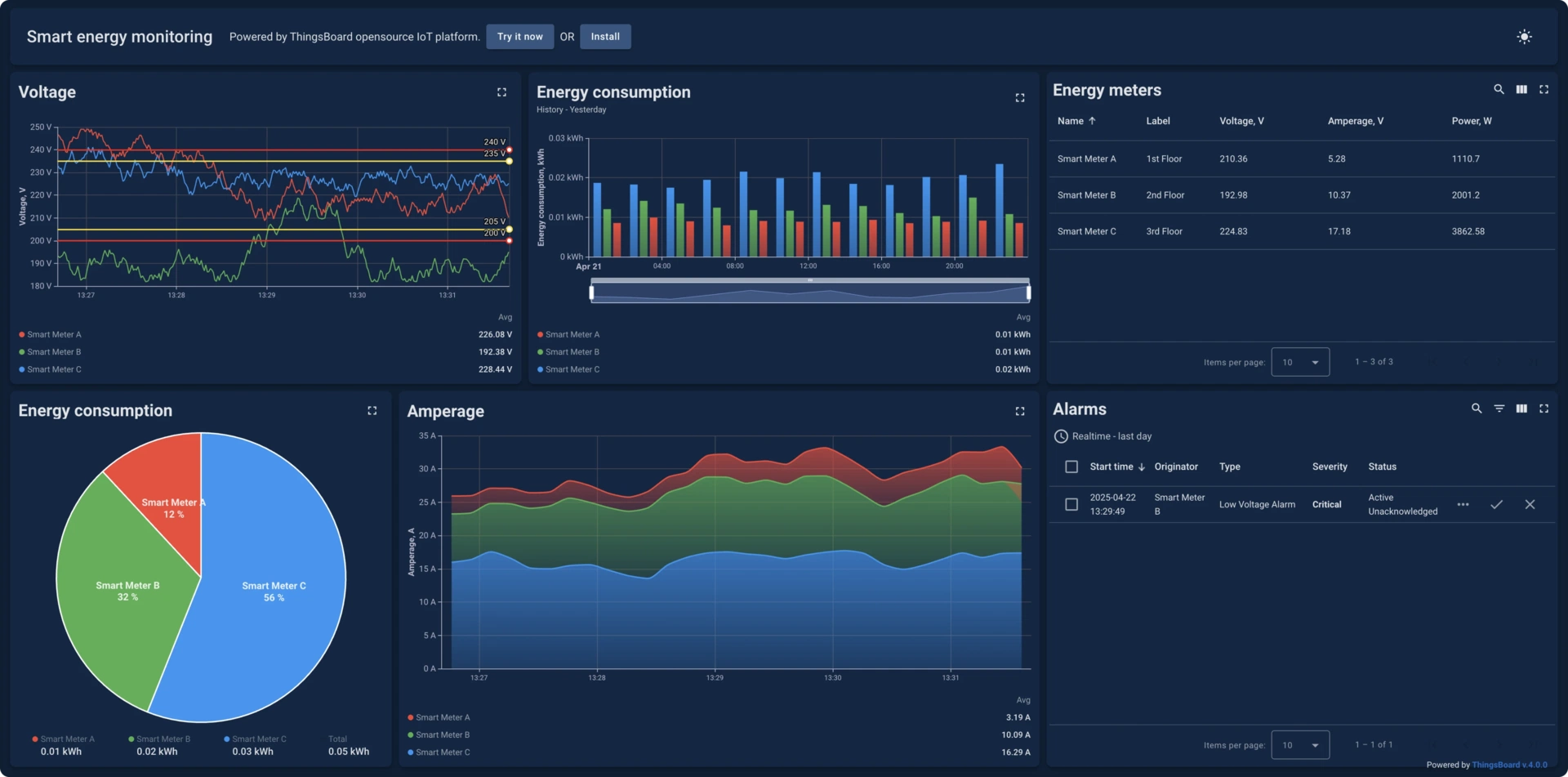
Real-time energy monitoring dashboard powered by cloud analytics
Real-World Use Cases of Cloud-Enabled Smart Grids
Challenges and Considerations
The Future Outlook: 2030 and Beyond
By 2030, cloud-enabled smart grids are expected to:
- Facilitate 100% renewable integration in many regions
- Enable self-healing grid responses to outages
- Support peer-to-peer energy trading using blockchain-enabled contracts
- Provide AI-driven personalized energy insights for every consumer
- Ensure zero downtime critical infrastructure using resilient cloud-edge computing
Conclusion
Cloud-enabled smart grids represent a pivotal shift in how energy is managed and delivered. By combining cloud scalability, AI intelligence, and real-time analytics, these smart systems are reshaping the future of energy — from cleaner and cheaper power to resilient and responsive grid operations.
As the world accelerates toward decarbonization, energy equity, and digital innovation, cloud-enabled smart grids will not just be an upgrade — they will be the blueprint for how modern societies manage power.
Whether you're an energy professional, policymaker, technology leader, or an informed consumer, understanding the role of cloud-enabled smart grids will be essential in the coming decade.