IT Services and Solutions | Digital Transformation

cloud enabled smart grids

Share this : 

Facebook
Twitter
LinkedIn
Email

Cloud-Enabled Smart Grids: The Future of Energy Management

In 2026, the energy landscape is undergoing a fundamental transformation — one driven by digital innovation, climate urgency, and a global demand for more resilient power systems. At the heart of this transformation is the rise of cloud-enabled smart grids — advanced energy networks that leverage cloud computing, real-time data analytics, artificial intelligence (AI), and edge connectivity to optimize energy generation, distribution, and consumption.

Cloud-enabled smart grids are not simply an evolution of traditional electrical grids. They are a revolution in how we think about energy management at every level — from utilities and enterprises to households and electric vehicles (EVs). As we look toward the future, cloud-enabled smart grids are positioning themselves as the backbone of a cleaner, more efficient, and more adaptive energy ecosystem.

This blog explores why cloud-enabled smart grids are pivotal to our energy future, how they work, real-world use cases, and key trends shaping their adoption by 2030.

What Are Cloud-Enabled Smart Grids?

At its core, a cloud-enabled smart grid is an intelligent electricity network that uses cloud computing infrastructure to connect devices, sensors, energy sources, and end users. These grids collect and process massive volumes of data in real time, enabling automated decision-making and remote management.

Unlike traditional grids — which rely on manual controls and static forecasts — cloud-enabled smart grids can:

  • Monitor energy flows instantly
  • Detect faults and outages immediately
  • Optimize demand response dynamically
  • Integrate diverse renewable energy sources
  • Provide predictive insights using AI and machine learning
Cloud technology enhances a smart grid's ability to scale, adapt, and collaborate across stakeholders while minimizing infrastructure costs and downtime.

Why Cloud-Enabled Smart Grids Matter in 2026
1. Accelerating Renewable Energy Integration

One of the biggest challenges of renewable energy — like solar and wind — is variability. Cloud-enabled smart grids address this by using predictive analytics to balance intermittent supply with demand. By forecasting weather patterns and energy usage in real time, these grids help utilities maximize the use of renewables without compromising stability.

2. Enhancing Grid Resilience

Natural disasters, cyberattacks, and equipment failures can disrupt energy delivery. Cloud-enabled smart grids use decentralized monitoring and automated failover systems to identify issues before they escalate, making grid infrastructure more resilient and reducing recovery time.

3. Reducing Energy Costs

Cloud platforms remove the need for heavy on-site servers and manual system updates. Data is stored, processed, and analyzed in the cloud, reducing operating expenses for utilities and, in many cases, lowering energy costs for consumers.

4. Empowering Consumers

Modern energy consumers want transparency, control, and personalized insights. Cloud-enabled smart grids make it possible for customers to track real-time usage, participate in demand response programs, and leverage AI-driven recommendations to optimize their energy habits.

Smart Grid Technology Infrastructure

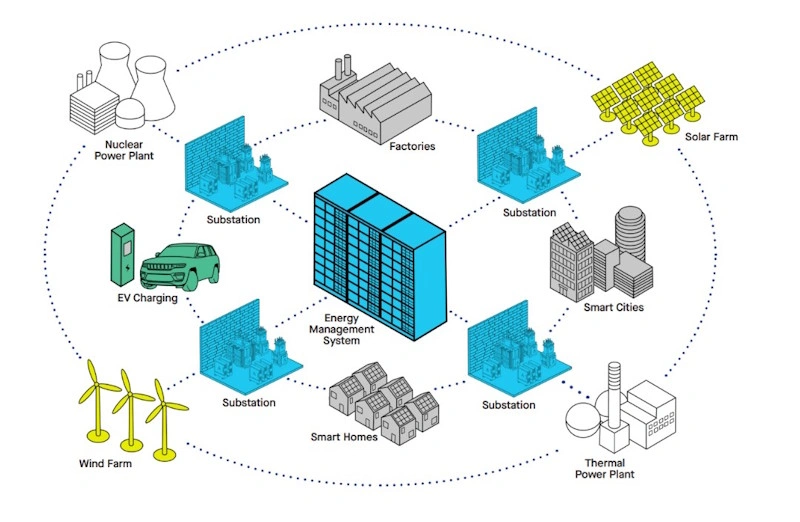
Smart grid infrastructure connecting generation, distribution, and consumption

How Cloud-Enabled Smart Grids Work

To understand the impact of cloud-enabled smart grids, let's break down how they function:

1

Sensors and IoT Devices

Smart meters, sensors, and Internet of Things (IoT) devices are installed across the grid — on generation units, transformers, substations, and homes. These devices continuously collect data on voltage, frequency, consumption, and other parameters.

2

Cloud Data Ingestion

Device data is sent securely to cloud platforms — such as AWS, Google Cloud, Microsoft Azure, or energy-specific platforms — where it's ingested, cleaned, and stored for analysis.

3

Real-Time Analytics

AI and machine learning analyze incoming data streams. For example:

  • Predictive algorithms forecast peak demand periods.
  • Anomaly detection flags unusual voltage changes or equipment failure risks.
  • Optimization models balance distributed energy resources (DERs) like rooftop solar and batteries.
4

Automated Control and Response

Insights from cloud analytics trigger automated control actions such as:

  • Adjusting voltage levels
  • Dispatching distributed energy resources
  • Issuing demand response notifications to customers
  • Rerouting energy during outages
5

Continuous Learning

AI models improve over time by learning from operational outcomes, making predictions and responses increasingly accurate.

Key Trends Driving Cloud-Enabled Smart Grids in 2026
AI and Machine Learning Integration

By 2026, AI is deeply embedded in smart grid operations. These intelligent systems forecast demand, optimize energy flow, and detect inefficiencies faster than any manual system could.

Trend Impact: Utilities can preemptively address grid imbalances, minimize outages, and reduce operational cost by using AI-driven automation.

Edge Computing + Cloud Hybrid Models

Some grid functions require rapid decision-making even when connectivity is limited. Edge computing — processing data closer to where it's generated — works hand-in-hand with cloud platforms to improve performance and reliability.

Trend Impact: Real-time control at substations or EV charging points becomes faster and more autonomous.

Cybersecurity and Zero Trust Frameworks

As more grid components connect online, security becomes paramount. Cloud-enabled smart grids deploy advanced encryption, multi-factor authentication, and zero-trust security models to protect from threats.

Trend Impact: Energy networks become more secure against ransomware, intrusions, and internal breaches.

Grid-Interactive Efficient Buildings

Buildings that communicate their energy needs and adjust usage based on grid commands are becoming mainstream. These grid-interactive buildings help balance load during peak hours and support emergency demand reductions.

Trend Impact: Consumers participate in grid stability, gaining incentives and cost savings.
Cloud Energy Management Dashboard

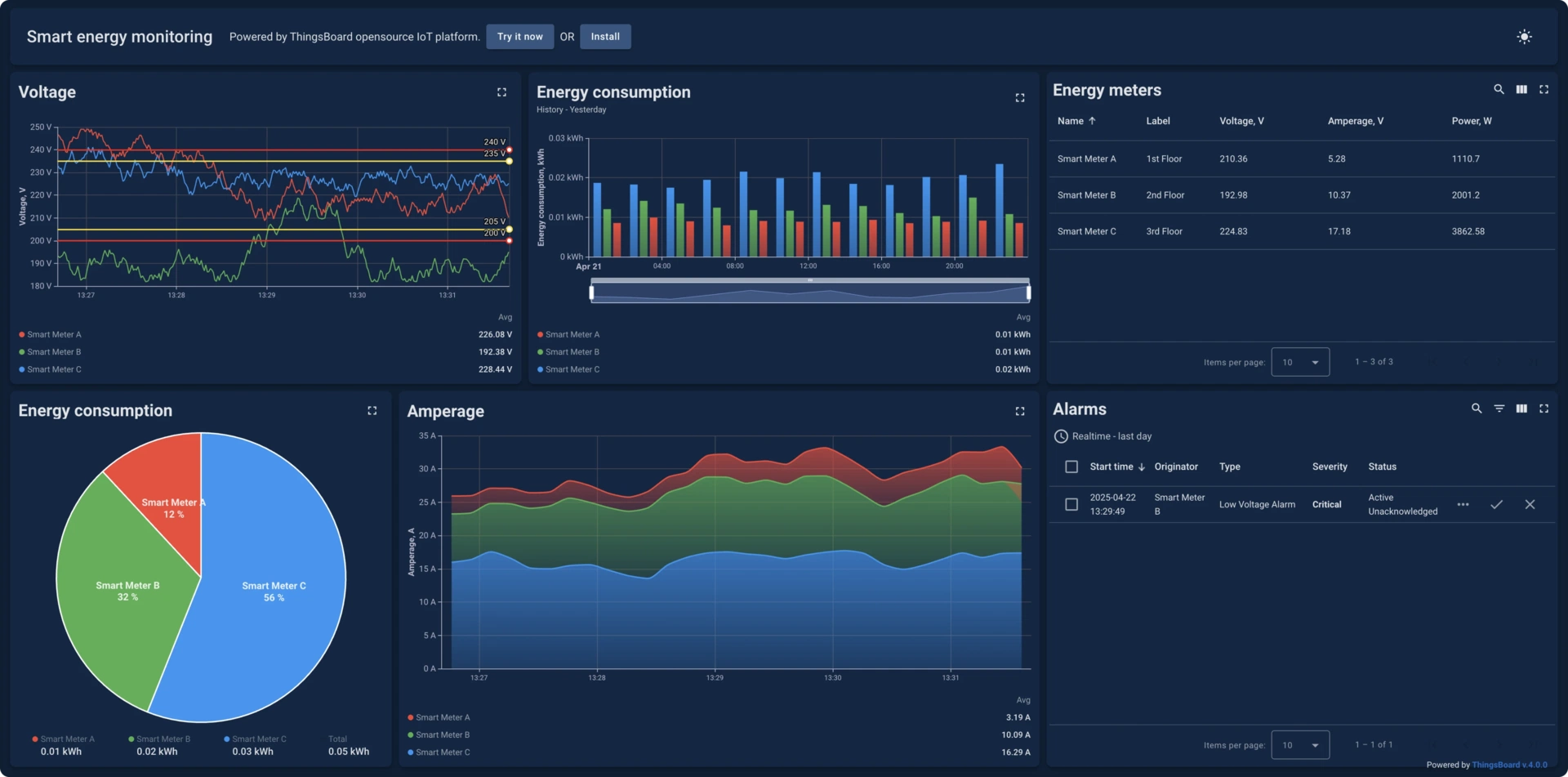
Real-time energy monitoring dashboard powered by cloud analytics

Real-World Use Cases of Cloud-Enabled Smart Grids

Dynamic Demand Response

Instead of pre-scheduled load reduction, cloud-enabled grids analyze consumption patterns and weather forecasts to automatically send demand adjustment signals when needed most.

Outcome: Peak load shaving without manual intervention.

Smart EV Charging Networks

Electric vehicles are both energy consumers and potential storage units. Smart grids coordinate EV charging — charging when renewable energy is abundant and discharging or delaying charging during peak demand.

Outcome: Smoother load profiles and optimized use of clean energy.

Distributed Energy Resource Management Systems (DERMS)

Cloud platforms coordinate thousands of rooftop solar panels, battery storage units, and microgrids — treating them as flexible energy assets.

Outcome: Higher renewable penetration and reduced dependency on fossil plants.

Challenges and Considerations

Challenge Description
Data Privacy As energy usage becomes more transparent, protecting consumer data is critical. Regulation and ethical practices must evolve with technology.
Standardization Interoperability between devices, vendors, and utilities remains complex. Industry standards must align to ensure seamless communication across the grid.
Investment and Modernization Grid modernization requires funding, skilled workforce, and long-term planning — especially in regions with legacy infrastructure.

The Future Outlook: 2030 and Beyond

By 2030, cloud-enabled smart grids are expected to:

  • Facilitate 100% renewable integration in many regions
  • Enable self-healing grid responses to outages
  • Support peer-to-peer energy trading using blockchain-enabled contracts
  • Provide AI-driven personalized energy insights for every consumer
  • Ensure zero downtime critical infrastructure using resilient cloud-edge computing
The energy grid of tomorrow will be more transparent, adaptable, and interactive — shifting from a one-way power delivery system to a multi-directional, data-driven energy ecosystem.

Conclusion

Cloud-enabled smart grids represent a pivotal shift in how energy is managed and delivered. By combining cloud scalability, AI intelligence, and real-time analytics, these smart systems are reshaping the future of energy — from cleaner and cheaper power to resilient and responsive grid operations.

As the world accelerates toward decarbonization, energy equity, and digital innovation, cloud-enabled smart grids will not just be an upgrade — they will be the blueprint for how modern societies manage power.

Whether you're an energy professional, policymaker, technology leader, or an informed consumer, understanding the role of cloud-enabled smart grids will be essential in the coming decade.

Write a Reply or Comment

Your email address will not be published. Required fields are marked *